
Why Your Bottle Choice Matters More Than You Think
If you have ever stood in a store holding a shiny metal bottle in one hand and a lightweight plastic one in the other, wondering which to put back on the shelf, you are not alone. The reusable water bottle metal vs plastic debate is one of those decisions that feels small but quietly shapes your daily routine, your health habits, and even how motivated you feel to hit your hydration goals.
Think about it. You reach for your water bottle dozens of times a day. Before a workout. During a commute. At your desk. On a trail. The bottle you choose either makes that habit feel effortless and good, or it becomes a small annoyance you tolerate. And over months and years, that difference adds up.
This guide cuts through the noise. We are not here to recite material specs or throw chemistry terms at you. We are here to help you figure out which type of bottle actually fits your life, your values, and your budget. Whether you are a dedicated gym-goer, a weekend hiker, or someone who just wants to drink more water without the guilt of single-use plastic, the answer is here.
"The best water bottle is the one you actually use every single day. Everything else is secondary."
The Case for Metal: What You Actually Get
Metal bottles have had a serious glow-up over the last decade. What used to feel like a clunky camping accessory is now a sleek, everyday carry item that gym bags and office desks across the world have fully embraced. But beyond the good looks, what does choosing metal actually mean for your daily life?
The Feel-Good Factor
There is something genuinely satisfying about picking up a metal bottle. It feels solid. Substantial. Like it was built to last. That feeling is not just vanity. It actually changes how you interact with the bottle. People who carry metal bottles tend to take better care of them, refill them more consistently, and feel a quiet pride in making a choice that is better for the planet.
For fitness enthusiasts especially, that psychological boost matters. When your gear looks and feels premium, you feel more committed to the habit it supports. A good-looking bottle on your gym bag is a small but real motivator.
Taste That Does Not Lie
One of the most common complaints about plastic bottles is the taste. Even bottles marketed as odor-free can develop a faint plastic flavor over time, especially after sitting in a warm car or being washed repeatedly. Metal does not do that. The water tastes like water, every single time. If you are someone who is sensitive to off-flavors or you are trying to drink more water and need every sip to be enjoyable, this is a bigger deal than it sounds.
Built to Survive Your Life
Drop a plastic bottle on a hard gym floor enough times and you will eventually see cracks, dents, or clouding. Metal takes the knocks. It might get a small dent here and there, but it stays intact and functional. For people who are rough on their gear, whether that is cycling, hiking, or just the chaos of daily commuting, metal holds up in a way plastic simply cannot match over the long run.
The Honest Downsides of Metal
Metal bottles are not perfect. They are heavier than plastic, which matters if you are counting every gram on a long run or a backpacking trip. They can also get cold to the touch in winter, which some people find uncomfortable. And if you drop a glass-lined metal bottle (a different category entirely), the interior can crack. Plain aluminum bottles are more forgiving, but they do not keep drinks cold the way insulated versions do.
Cost is another real consideration. Metal bottles generally sit at a higher price point than basic plastic options, though budget-friendly aluminum choices have made this gap much smaller in recent years.
The Case for Plastic: Honest Pros and Real Cons
Plastic bottles are not the villain they are sometimes made out to be. The right plastic bottle, used correctly, can be a perfectly reasonable hydration tool. But there are important distinctions worth understanding before you commit.
Where Plastic Genuinely Wins
Weight is the biggest advantage. A quality plastic bottle is noticeably lighter than its metal counterpart, which is a real benefit for long-distance runners, cyclists, and anyone counting the grams in their pack. Plastic also tends to be more transparent, so you can see exactly how much water you have left at a glance without tilting the bottle.
Plastic bottles are also generally more affordable upfront, which makes them accessible for people just starting to build a hydration habit or for parents buying bottles for kids who may lose them within a week.
The Concerns You Should Know About
Not all plastic is created equal, and this is where the conversation gets more nuanced. Older or lower-quality plastic bottles can leach unwanted compounds into your water, especially when exposed to heat. Leaving a plastic bottle in a hot car, running it through repeated dishwasher cycles, or using it past its intended lifespan can all accelerate this process.
The taste issue is real too. Over time, plastic absorbs odors and flavors from whatever you put in it. Protein shakes, flavored drinks, and even tap water can leave a lingering taste that no amount of washing fully removes. For people who are particular about the taste of their water, this becomes frustrating quickly.
Durability is the other sticking point. Plastic bottles scratch, cloud, and crack over time. What starts as a clean, clear bottle can look worn and grimy within a year of regular use. That wear is not just cosmetic. It is also a sign that the material is degrading, which most people would prefer not to drink from.
The Environmental Reality
Reusable plastic is significantly better than single-use plastic, full stop. But metal wins the long-term environmental comparison because it lasts longer, is more fully recyclable, and does not shed microplastics into your drink or the environment over time. If sustainability is a core value for you, this is a meaningful distinction.
Head-to-Head Comparison: Metal vs Plastic
Here is how the two stack up across the criteria that matter most to everyday users and fitness enthusiasts.
| What Matters | Metal Bottle | Plastic Bottle |
|---|---|---|
| Taste of water | Clean, neutral every time | Can develop off-flavors over time |
| Durability | Handles drops and daily abuse well | Scratches, clouds, and cracks over time |
| Weight | Heavier | Lighter |
| Longevity | Years of reliable use | Shorter lifespan with heavy use |
| Environmental impact | Lower over time, fully recyclable | Better than single-use, but degrades |
| Budget friendliness | Varies; aluminum can be very affordable | Generally lower upfront cost |
| Aesthetics and feel | Premium, satisfying, motivating | Functional, practical, lightweight |
| Odor resistance | Excellent | Absorbs odors with repeated use |
| Ease of cleaning | Easy to rinse and maintain | Can harbor residue in scratches |
For fitness use specifically, metal bottles consistently outperform plastic on the criteria that matter most: taste, durability, and the motivational boost that comes from gear you actually feel good using.
Who Should Choose What (and Why)
The honest answer is that the right bottle depends on your life, not on a universal ranking. Here is how to think about it based on who you are and how you actually live.
Choose Metal If You...
- Work out regularly and want a bottle that keeps pace with your commitment
- Care about the taste of your water and want every sip to be clean and neutral
- Are rough on your gear and need something that survives real-world use
- Want a bottle you buy once and use for years, not one you replace every season
- Value sustainability and want to minimize your long-term environmental footprint
- Like gear that looks good and makes you feel good carrying it
Choose Plastic If You...
- Are ultra-focused on weight and every gram counts (think marathon training or ultralight hiking)
- Need a low-cost option to get started with a hydration habit
- Are buying for children or situations where bottles are likely to be lost
- Prefer to see your water level clearly at a glance
For the vast majority of gym-goers, cyclists, outdoor enthusiasts, and everyday health-conscious people, metal wins. The slightly higher weight is a non-issue when you are already carrying a gym bag or a backpack. And the benefits, cleaner taste, longer life, better durability, and the simple satisfaction of using something built to last, far outweigh the trade-offs.
Our Pick for Fitness and Active Lifestyles
When we look at the reusable water bottle metal vs plastic question through the lens of fitness and active living, the answer becomes clear. Metal is the better long-term companion. And within the world of metal bottles, aluminum stands out as a sweet spot: lighter than stainless steel, tough enough for daily punishment, and available at a price that does not require a second thought.
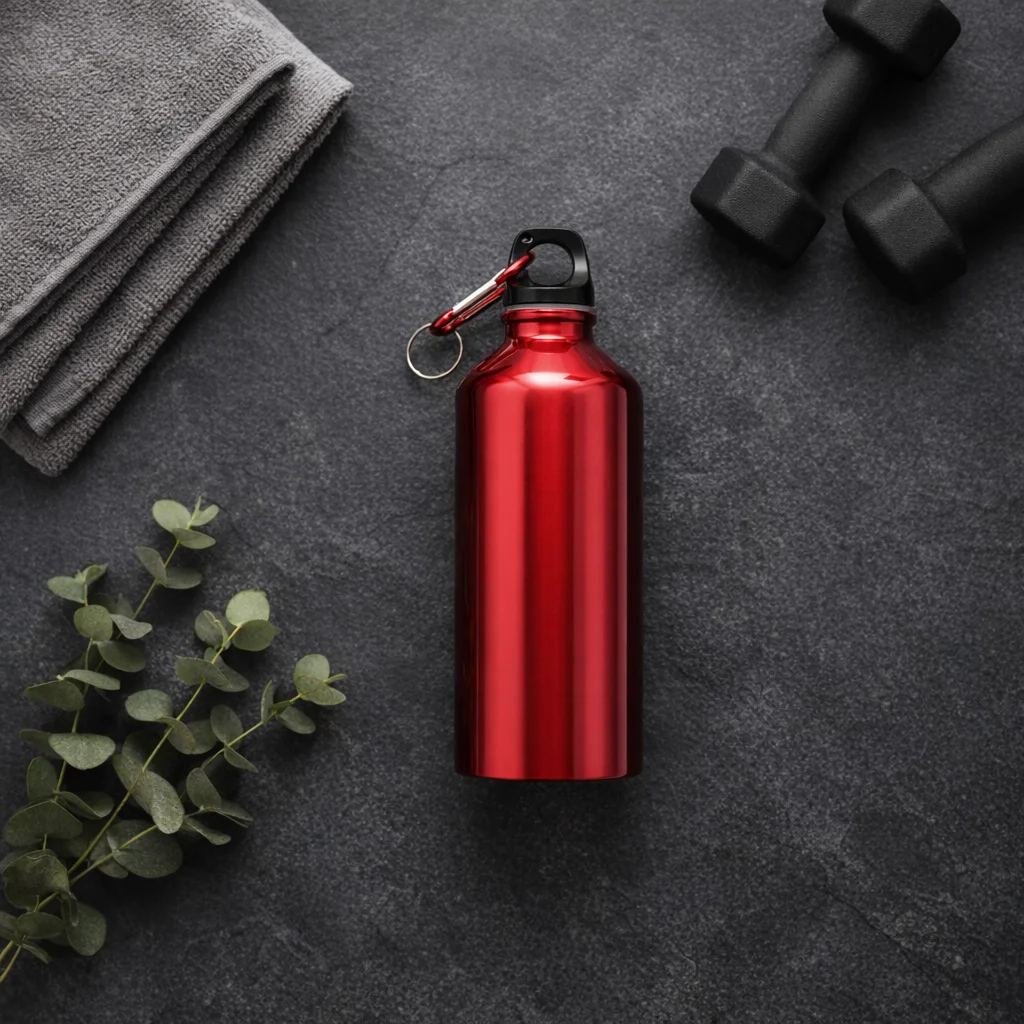
The Sipalu Aluminum Water Bottle is exactly that kind of bottle. It is available in three sizes so you can match your hydration needs to your activity, whether that is a quick spin class or a long trail ride. The secure lid means no surprise leaks in your bag. The carabiner clip means it goes wherever you go without taking up your hands. And the whole package is priced so that buying one feels like a smart decision, not a splurge.
This is the kind of bottle that earns a permanent spot in your routine. Not because it is flashy, but because it quietly does everything right, every single day. Clean water taste. Solid construction. Easy to carry. Easy to clean. And it looks good doing it.
If you have been going back and forth on upgrading from a worn plastic bottle or finally committing to a proper reusable option, this is the moment. Your hydration habit deserves gear that supports it, not gear that gets in the way.
Ready to make the switch? Grab the Sipalu Aluminum Water Bottle here and feel the difference from day one.
Frequently Asked Questions
Is a metal water bottle actually safer than plastic?
For most everyday use, yes. Metal bottles, particularly aluminum and stainless steel, do not degrade or leach compounds into your water the way older or lower-quality plastic can over time. The taste stays clean, and the bottle itself does not break down with repeated washing or heat exposure the way plastic does. If peace of mind about what is in your water matters to you, metal is the more reliable long-term choice.
Will a metal bottle make my water taste different?
Good quality metal bottles are specifically designed to be taste-neutral. The water tastes like water, nothing more. This is actually one of metal's biggest advantages over plastic, which can absorb and transfer flavors over time. If you have ever noticed a faint plastic taste from an older bottle, switching to metal will feel like a genuine upgrade from the very first sip.
Are metal bottles worth the extra cost compared to plastic?
When you factor in longevity, the math almost always favors metal. A quality metal bottle can last for years with basic care, while a plastic bottle typically needs replacing within a year or two of heavy use. Budget-friendly aluminum options have also brought the price gap much closer than it used to be, making the switch an easy decision for most people. Think of it as paying a little more once, rather than buying a new plastic bottle every year.
Can I use a metal bottle for sports drinks or protein shakes?
Yes, and this is where metal actually shines compared to plastic. Metal does not absorb the flavors or odors from strong-tasting drinks the way plastic does. A thorough rinse after use keeps everything fresh. Just make sure you are cleaning it regularly, especially after protein shakes, to prevent residue buildup inside the bottle.
How do I choose the right size metal bottle for my workouts?
It depends on the length and intensity of your sessions. For a typical 45 to 60 minute gym workout, a smaller size keeps things light and easy to carry. For longer outdoor activities like cycling, hiking, or endurance training, a larger size means fewer refill stops. The best approach is to think about your longest typical session and choose a size that covers it comfortably without feeling like you are lugging extra weight.