
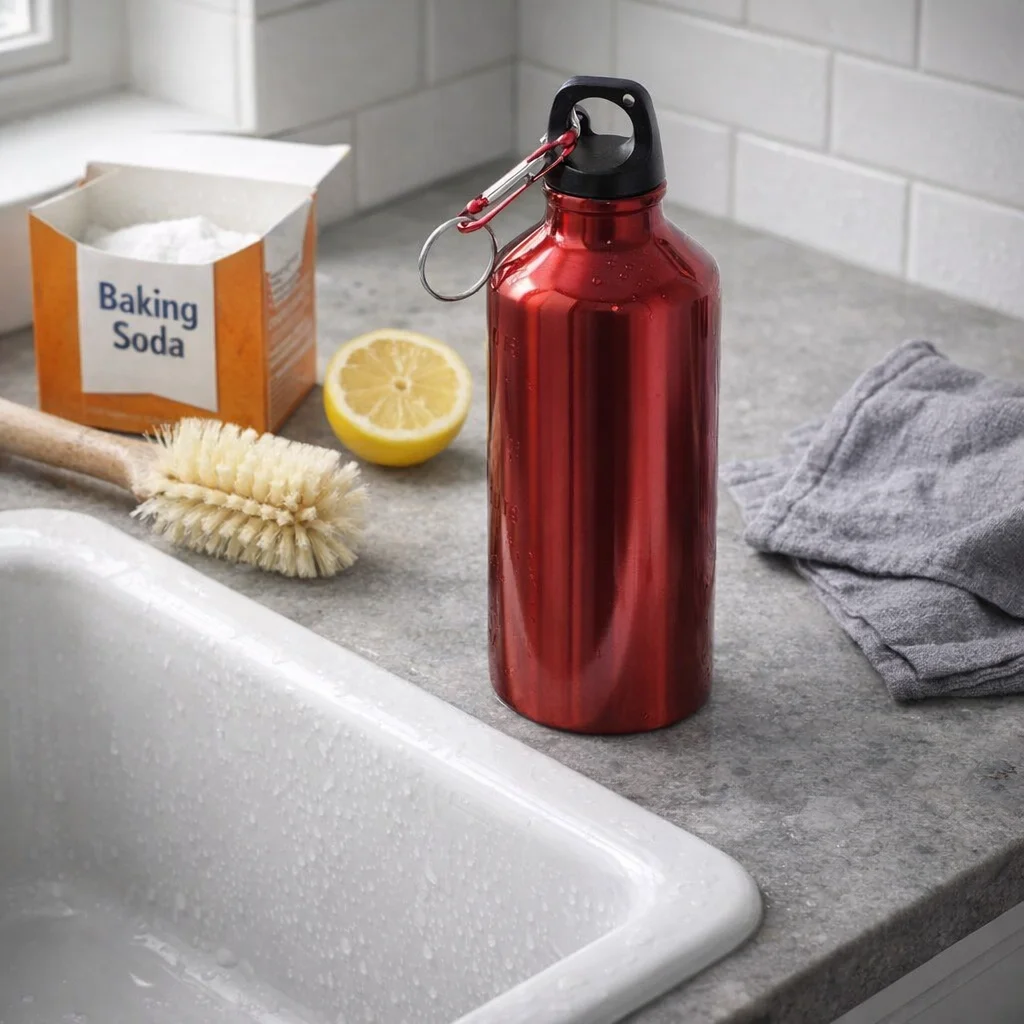
Learning how to clean a reusable metal water bottle properly is one of those small habits that makes a surprisingly big difference in your daily life. You carry it everywhere, fill it dozens of times a week, and trust it to keep you hydrated through workouts, commutes, and everything in between. But if you're not cleaning it correctly, that trusty bottle can quietly become a breeding ground for bacteria, mold, and the kind of funky odors that make every sip a little less refreshing.
The good news? Keeping your metal water bottle genuinely clean is not complicated. It just requires knowing which methods actually work, which ones can cause damage, and how to build a simple routine that keeps things fresh without eating up your time.
This guide covers everything: daily rinses, deep cleans, stubborn odor removal, mold treatment, and the mistakes most people make without realizing it. Whether your bottle is brand new or has seen better days, you'll find exactly what you need here.
Why Cleaning Your Metal Water Bottle Actually Matters
Most people assume that because they're only filling their bottle with water, it stays relatively clean on its own. This is one of the most common and costly misconceptions in everyday hydration habits.
What's Really Growing Inside Your Bottle
Every time you take a sip, bacteria from your mouth enter the bottle. Warm temperatures, residual moisture, and any trace of sugary drinks or protein shakes create the perfect conditions for microbial growth. Studies have found that reusable water bottles can harbor more bacteria than a kitchen sink if left uncleaned for even a few days.
We're not talking about the kind of bacteria that will land you in the hospital after one sip. But over time, a buildup of biofilm (that slightly slimy coating you sometimes feel inside an old bottle) can affect the taste of your water, cause digestive discomfort, and create persistent odors that no amount of rinsing seems to fix.
The Difference Between Rinsing and Cleaning
A quick rinse under the tap removes loose debris, but it does almost nothing to address biofilm or bacteria clinging to the interior surface. Real cleaning requires agitation, the right cleaning agents, and attention to every part of the bottle, including the lid, seal, and any grooves or threads.
Think of it this way: rinsing your bottle is like running water over a dirty pan without using soap or a scrub brush. It looks cleaner, but the surface tells a different story.
Key Takeaway: Your bottle needs more than a rinse. A proper clean at least once a day, and a deep clean once a week, is the standard that keeps your hydration routine genuinely healthy.
The Daily Cleaning Routine That Takes Under Two Minutes
Consistency beats intensity when it comes to bottle hygiene. A simple daily clean done right is far more effective than an occasional deep scrub of a bottle that's been sitting dirty for a week.
What You'll Need
- Warm water
- A drop of dish soap
- A bottle brush (long-handled, with soft bristles)
- A smaller brush or pipe cleaner for the lid and mouthpiece
Step-by-Step Daily Clean
- Disassemble everything. Remove the lid, any straws, seals, or removable parts. You cannot clean what you cannot reach, and assembled bottles trap moisture in the worst places.
- Add warm water and a small drop of dish soap to the bottle. You don't need much. A pea-sized amount is plenty.
- Use your bottle brush to scrub the interior. Work the brush all the way to the bottom and use circular motions on the sides. Pay extra attention to the bottom corners where residue tends to accumulate.
- Rinse thoroughly with warm water. Soap residue left behind can affect the taste of your next drink, so rinse until the water runs completely clear and you can no longer detect any soapy smell.
- Leave the bottle and lid to air dry completely before reassembling or storing. This single step prevents the mold and musty odors that plague so many reusable bottles.
Pro Tip: Store your clean bottle with the lid off whenever possible. A sealed bottle traps residual moisture, which is exactly the environment mold loves.
Making It a Habit
The easiest way to stay consistent is to tie your bottle cleaning to something you already do every day. Wash it right after dinner while you're cleaning up the kitchen, or make it part of your post-workout wind-down. Once it becomes automatic, it takes no mental effort at all.
If you're someone who carries their bottle to the gym or on outdoor rides, a bottle like the ones from Sipalu's range of sport water bottles with easy-open lids makes this daily clean genuinely quick, since fewer crevices means fewer places for grime to hide.
How to Deep Clean a Reusable Metal Water Bottle
Once a week, your bottle deserves a more thorough treatment. A deep clean goes beyond surface bacteria and tackles biofilm, mineral deposits from tap water, and any odors that have started to settle in.
The Baking Soda Method
Baking soda is one of the most effective and gentle cleaning agents for metal water bottles. It neutralizes odors at the source rather than masking them, and its mild abrasive quality helps lift biofilm without scratching the interior.
- Add two teaspoons of baking soda to your bottle.
- Fill with warm water and give it a gentle shake to combine.
- Let the mixture sit for 15 to 30 minutes.
- Scrub with your bottle brush, then rinse thoroughly.
For extra deodorizing power, add a small squeeze of lemon juice to the baking soda mixture. The mild acidity helps cut through any lingering residue and leaves the bottle smelling genuinely fresh.
The White Vinegar Soak
White vinegar is a natural disinfectant and an excellent solution for mineral deposits, which appear as white or cloudy buildup inside your bottle after prolonged use with hard tap water.
- Fill your bottle with a mixture of equal parts white vinegar and warm water.
- Let it soak for at least 30 minutes, or up to a few hours for stubborn buildup.
- Scrub with your bottle brush, paying attention to any areas with visible deposits.
- Rinse extremely well. Vinegar is effective, but its smell lingers if you don't rinse thoroughly.
Expert Tip: After a vinegar soak, do one final rinse with a small amount of baking soda dissolved in water. The two neutralize each other and eliminate any residual vinegar taste or smell.
The Denture Tablet Trick
This one sounds unconventional, but it works remarkably well. Effervescent denture cleaning tablets are designed to reach into tight spaces and lift stubborn buildup using the same fizzing action that cleans dental appliances. Drop one tablet into a bottle filled with warm water, let it fizz for 15 to 20 minutes, then rinse thoroughly. It's particularly effective for bottles with narrow openings where a brush struggles to reach every surface.
Removing Stubborn Odors and Stains
If you've ever opened your bottle and been hit with a musty or metallic smell, you know how off-putting it can be. The good news is that these odors are almost always fixable, even when they seem deeply embedded.
Tackling That Metallic Taste or Smell
A faint metallic smell is most common in new bottles or those that haven't been used in a while. The fix is simple: fill your bottle with a mixture of warm water and two tablespoons of baking soda, let it sit overnight, then rinse and air dry. Repeat if necessary. Most people find the smell disappears completely after one or two treatments.
If the metallic taste persists despite cleaning, it may be related to the water source rather than the bottle itself. Try filling with filtered water for a week and see if the issue resolves.
Getting Rid of Mold
Finding mold in your water bottle is alarming, but it's more common than most people admit, especially if a bottle has been left sealed and wet for a few days. Here's how to address it properly.
- Fill the bottle with a solution of one teaspoon of bleach per cup of water.
- Let it sit for five to ten minutes. Do not leave it longer than necessary.
- Use your bottle brush to scrub all interior surfaces, including the bottom and sides.
- Rinse the bottle at least five to six times with clean water until you can no longer detect any bleach smell.
- Air dry completely before using or storing.
After a bleach treatment, follow up with a baking soda rinse to neutralize any residual traces and restore a neutral smell. If mold reappears quickly despite regular cleaning, it may be living in the lid or seal rather than the bottle itself. More on that below.
Coffee, Protein Shake, and Sports Drink Stains
These are the real culprits behind most stubborn bottle odors. The sugars and proteins in these drinks cling to interior surfaces and ferment over time, creating a sour or rancid smell that plain water and soap struggle to remove.
For these situations, the baking soda and lemon juice combination is your best friend. You can also try filling the bottle with very hot (but not boiling) water and a generous amount of dish soap, then sealing it and shaking vigorously for a full minute before letting it soak for 20 minutes. The combination of heat, agitation, and soap breaks down protein and sugar residue effectively.
Don't Forget the Lid: The Most Overlooked Part
Here is where most people's cleaning routines fall short. The lid, mouthpiece, and any rubber seals are the number one source of mold and persistent odors in reusable water bottles. They're also the most neglected parts because they seem small and inconsequential.
Breaking Down the Lid Properly
Most bottle lids have more removable parts than you'd expect. Look for rubber gaskets, silicone seals, or o-rings that can be pulled out and cleaned separately. These small components sit in constant contact with moisture and are the perfect hiding spot for mold spores.
Remove every part you can, then soak them in warm soapy water for five minutes. Use a small brush, a pipe cleaner, or even a toothbrush to scrub into grooves, threads, and crevices. Rinse thoroughly and allow to air dry completely before reassembling.
Key Takeaway: If your bottle smells fine but the lid doesn't, the lid is the problem. A clean bottle with a moldy lid is still a hygiene issue every time you take a sip.
Cleaning Carabiner Clips and Carry Attachments
If your bottle has a clip or carry attachment, these also collect grime, sweat, and outdoor debris. Wipe them down regularly with a damp cloth and mild soap. For metal clips, make sure they're fully dry before storing to prevent rust or corrosion on the hardware.
The Sipalu sport bottles with integrated carabiner clips are designed with this in mind: the clip detaches easily so you can clean every component without fighting with the design. It's a small detail that makes a real difference in your weekly routine.
When to Replace the Lid
Lids and seals don't last forever. If you notice cracking in the rubber seals, persistent discoloration that won't clean away, or a mold smell that returns within days of a thorough clean, it's time to replace the lid rather than keep fighting a losing battle. Most bottle lids are inexpensive to replace and are available as accessories for popular bottle designs.
Common Cleaning Mistakes That Damage Your Bottle
Knowing how to clean a reusable metal water bottle correctly also means knowing what not to do. Some well-intentioned cleaning habits can actually shorten the life of your bottle or make hygiene worse over time.
Putting It in the Dishwasher (When It Isn't Dishwasher Safe)
This is the most common mistake. Many metal water bottles are not dishwasher safe, and the intense heat and harsh detergents in a dishwasher cycle can damage the exterior finish, degrade rubber seals, and in some cases affect the vacuum insulation of double-walled bottles. Always check whether your specific bottle is rated for dishwasher use before tossing it in.
If you're unsure, hand washing is always the safer choice. It takes less than two minutes and gives you more control over which parts get cleaned and how.
Using Bleach Too Frequently
Bleach is a powerful tool for mold emergencies, but it shouldn't be your go-to cleaner. Used too often, it can degrade rubber seals and gaskets, and even small residual traces can affect the taste of your water. Reserve bleach for genuine mold situations and stick to gentler methods for regular cleaning.
Skipping the Drying Step
This is the single biggest mistake people make, and it undoes all the good work of a proper clean. Sealing a damp bottle traps moisture inside, which leads directly to mold and musty odors within 24 to 48 hours. Always allow your bottle and all its components to air dry completely before reassembling or storing.
If you're in a hurry, use a clean microfiber cloth to dry the interior as much as possible, then leave the bottle open on your drying rack until fully dry.
Using Abrasive Scrubbers on the Interior
Steel wool or harsh abrasive pads can scratch the interior surface of your bottle, creating microscopic grooves where bacteria can hide and are much harder to clean out. Stick to soft bottle brushes with nylon or silicone bristles for interior cleaning.
How Often Should You Really Clean It?
The honest answer is: more often than most people do. Here's a practical schedule based on how you use your bottle.
Daily Use with Water Only
A thorough hand wash with soap and a bottle brush every day is the recommended standard. If that feels excessive, consider that you wouldn't use the same cup or glass for a week without washing it. Your water bottle deserves the same treatment.
At minimum, wash it every time it's been sitting closed and wet for more than a few hours, or any time you notice a change in taste or smell.
After Protein Shakes, Coffee, or Sports Drinks
Wash immediately after use, every single time. These drinks leave behind residue that starts to ferment quickly, especially in warm environments like a gym bag or a car. Letting a protein shake sit in your bottle for even a few hours creates a cleaning challenge that a quick rinse won't solve.
Practical Advice: If you can't wash your bottle right away after a protein shake, at least fill it with plain water and give it a vigorous shake to dilute the residue. This buys you time until you can do a proper wash.
Weekly Deep Clean Schedule
Even with daily washing, a weekly deep clean is worth building into your routine. Pick one day, Sunday evenings work well for many people, and do the full baking soda or vinegar treatment. Disassemble the lid completely, check the seals, and allow everything to dry overnight before the week begins.
This habit takes about ten minutes total and keeps your bottle performing at its best for much longer. It's the kind of small investment that pays off every morning when your water tastes exactly like it should: clean, fresh, and nothing else.
Frequently Asked Questions
Can I use boiling water to sterilize my metal water bottle?
Very hot water can be effective for cleaning, but true boiling water is not recommended for most metal water bottles, particularly those with insulated or double-walled designs. Extreme heat can damage the vacuum seal that keeps drinks cold or hot, and can also degrade rubber gaskets and seals over time. Warm to hot tap water (around 60 degrees Celsius) is more than sufficient for effective cleaning and is much safer for your bottle's longevity.
Why does my metal water bottle still smell after washing?
If your bottle smells after a regular wash, the most likely culprit is the lid or rubber seal rather than the bottle itself. Disassemble the lid completely and soak all components in a baking soda solution for 30 minutes. Also check whether you're allowing the bottle to air dry completely before sealing it, as trapped moisture is the leading cause of persistent musty odors. If the smell is very strong, a diluted bleach treatment followed by thorough rinsing and a baking soda neutralizer rinse usually resolves it.
Is it safe to use dish soap inside a metal water bottle?
Yes, standard dish soap is perfectly safe and is actually the recommended cleaning agent for daily bottle washing. The key is to rinse thoroughly afterward, making sure no soapy residue remains. A faint soapy taste in your water is almost always the result of insufficient rinsing rather than any problem with the soap itself. Two to three thorough rinses with clean water should be enough to remove all traces.
How do I remove hard water deposits from inside my bottle?
Those white, chalky deposits are mineral scale left behind by hard tap water. White vinegar is the most effective solution. Fill your bottle with a 50/50 mixture of white vinegar and water, let it soak for one to two hours, then scrub with a bottle brush and rinse well. For very stubborn deposits, you can use undiluted white vinegar and extend the soak to a few hours. Follow up with a baking soda rinse to neutralize the vinegar smell completely.
How long does a metal water bottle last if properly maintained?
A well-maintained metal water bottle can last many years, sometimes a decade or more. The bottle body itself is extremely durable. The parts that typically need attention or replacement over time are the lid, rubber seals, and gaskets. Replacing these components when they show wear is far more economical than buying a new bottle, and it keeps your bottle performing like new. Consistent cleaning, proper drying, and avoiding the mistakes covered in this guide are the key factors in maximizing your bottle's lifespan.
Conclusion
Knowing how to clean a reusable metal water bottle properly is one of the simplest upgrades you can make to your daily health routine. It doesn't require expensive products or a lot of time. It just requires the right approach, applied consistently.
Daily soap-and-brush washes, weekly deep cleans with baking soda or vinegar, thorough lid disassembly, and complete air drying before storage: these habits take a few minutes a day and make every sip genuinely refreshing. They also protect your investment, keeping your bottle performing well for years rather than months.
If you're in the market for a bottle that makes this routine easier, the Sipalu sport water bottles are designed with active lifestyles in mind. Compact enough to carry anywhere, easy to open and clean, and built to handle the demands of daily gym sessions, outdoor rides, and everything in between. A bottle that's easy to clean is a bottle you'll actually clean, and that makes all the difference.
Start with the daily routine, build in the weekly deep clean, and pay attention to that lid. Your future self, and your water, will thank you.